

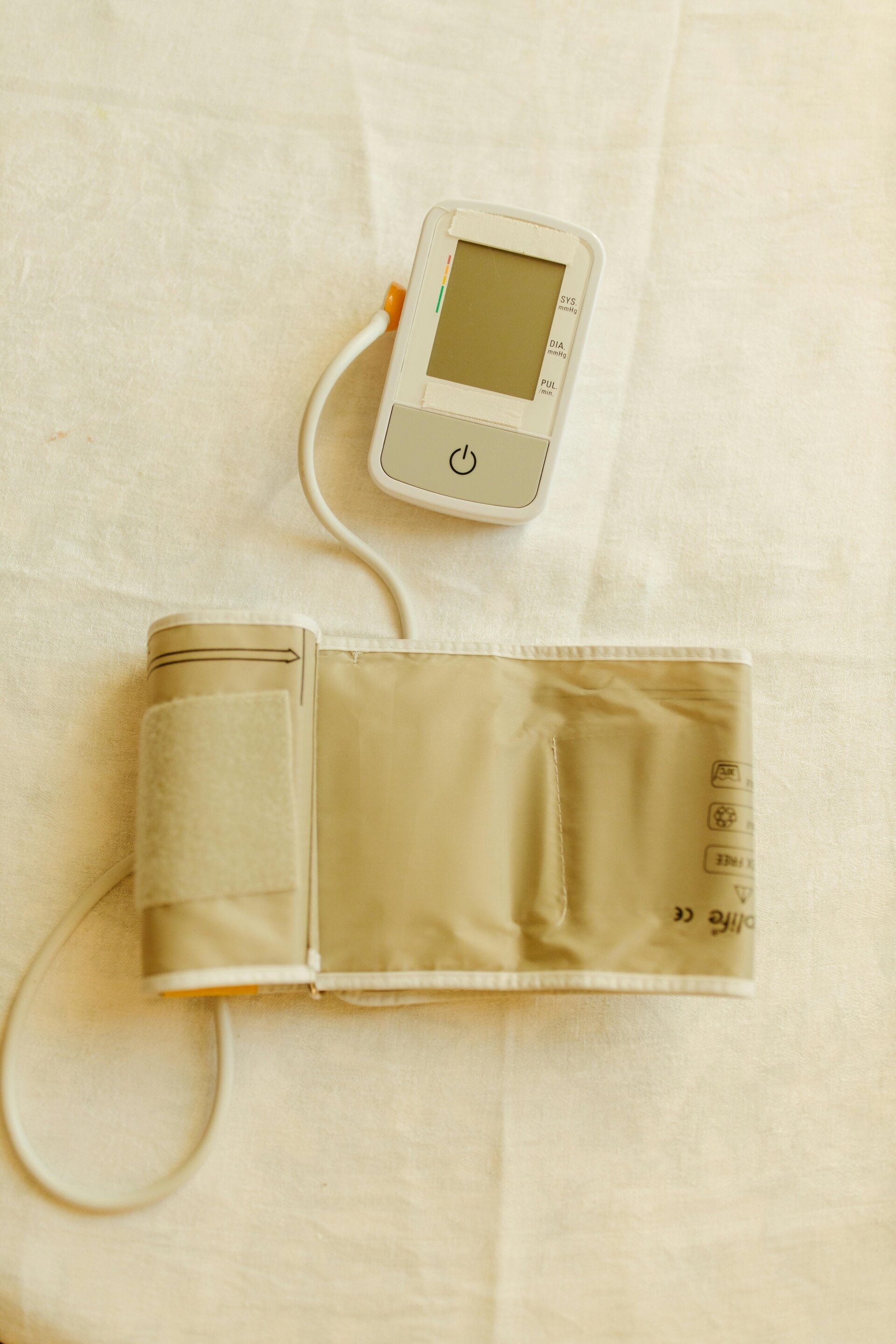
Preeclampsia is a pregnancy condition that can develop after 20 weeks of pregnancy, most often in the third trimester.
It is related to changes in blood pressure and how the body’s organs are being affected by pregnancy. While many pregnancies are healthy and uncomplicated, preeclampsia is something that providers monitor closely because early recognition matters.
This post is not meant to cause fear. It is meant to help you understand what to look for and when to reach out.
What Preeclampsia Is
Preeclampsia is a condition that involves high blood pressure during pregnancy, along with signs that other parts of the body may be affected, such as the liver, kidneys, or blood system.
It can develop gradually or sometimes more suddenly, which is why awareness of symptoms is important.
It does not always present the same way for everyone, and some people may not notice symptoms right away, which is why routine prenatal care includes blood pressure checks.
Common Signs and Symptoms
While every body is different, some symptoms that providers take seriously include:
- persistent headaches that do not go away
- vision changes (blurred vision, spots, or light sensitivity)
- swelling in the face, hands, or sudden swelling that feels unusual
- pain in the upper right side of the abdomen
- nausea or feeling unwell in a way that feels different from normal pregnancy symptoms
- sudden weight gain over a short period
- elevated blood pressure readings
Some of these symptoms can overlap with normal pregnancy discomforts, which is why patterns and severity matter.
Swelling vs. Concerning Swelling
Swelling is common in the third trimester, especially in the feet and ankles.
However, swelling that may need closer evaluation includes:
- sudden swelling in the face or hands
- swelling that comes on quickly
- swelling paired with headaches, vision changes, or feeling unwell
It is always better to get checked if swelling feels different from your normal pattern.
Why Providers Monitor It Closely
Preeclampsia is important to watch because it can affect both mother and baby if it progresses.
When caught early, providers can monitor, manage, and support you in ways that help keep you and your baby safe. This is why prenatal appointments include blood pressure checks and sometimes urine tests.
When to Call Your Provider or Go to Labor and Delivery
You should reach out right away if you experience:
- severe or persistent headaches
- vision changes
- sudden swelling in your face or hands
- upper abdominal pain that feels unusual
- significantly elevated blood pressure if you are monitoring at home
- any combination of symptoms that feels “off” for your body
You do not need to wait for symptoms to become severe before calling.
If something feels wrong, it is always appropriate to be evaluated.
The Important Balance to Remember
Many of the symptoms listed above can also show up in normal pregnancy.
That is why this is not about self-diagnosing — it is about awareness.
You are not expected to figure it out on your own at home.
You are expected to notice changes and reach out when something feels different.
That is exactly what your care team is there for.
Final Thoughts
Preeclampsia is one of the reasons prenatal care includes regular monitoring, especially in the second and third trimesters.
Most pregnancies do not develop it, but knowing the signs helps you feel more confident in recognizing when something needs attention.
The goal is not fear.
The goal is awareness.
You know your body better than anyone else. If something feels off, you deserve to be listened to and checked.
You are not being dramatic for speaking up.
You are being attentive to your health and your baby.
Add comment
Comments